Gajah: A Quirky Handwritten Font
There I was, staring at a blank brand board, trying to find the right visual voice for a small-batch skincare line. The client wanted something fresh, approachable, and a little unexpected. After testing several options, I landed on Gajah—a fun and quirky handwritten font that felt just right for the project.
Visual Characteristics and Personality
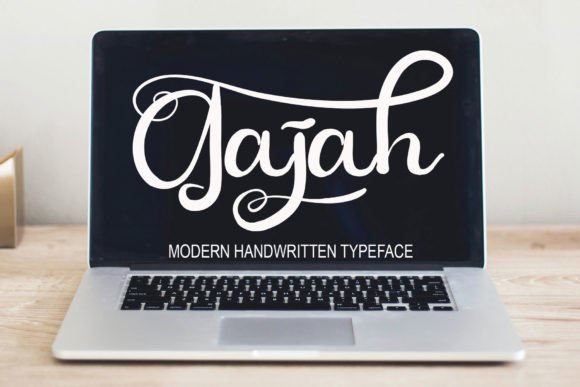
Gajah has a distinct personality. It’s not the kind of font you’d use for a high-end corporate identity, but it shines in creative, crafty, or lifestyle-oriented branding. The letterforms have a playful, almost spontaneous feel, with subtle variations in stroke weight and irregular shapes that give it a handcrafted look. It’s like someone scribbled the text with a pen, but with a bit of care and intention.
The font feels warm and inviting, which makes it ideal for brands targeting a younger, more expressive audience. Its quirks can add character without being overwhelming, as long as it’s used thoughtfully.
Real-World Testing in Branding Projects
I tested Gajah across several design assets for the skincare brand. On a logo draft, it brought a sense of authenticity and creativity that matched the brand’s ethos. When paired with a clean sans serif for the tagline, it created a nice contrast without clashing.
On packaging mockups, Gajah worked well for product names and short descriptors. The font’s natural flow made it feel more personal, which aligned with the brand’s handmade and artisanal vibe. However, I noticed that when scaled down for labels, some details got lost, making it less readable in smaller sizes.
In social media graphics, Gajah added a friendly, engaging tone. It looked great in Instagram post headers and promotional banners, where bold, eye-catching text is key. For web design, it served as a strong headline font, especially in hero sections or call-to-action buttons.
Use Cases and Limitations
Gajah excels as a display or headline font. It’s best suited for short phrases, logos, and decorative elements rather than long blocks of text. In body copy, it would be difficult to read, especially in smaller sizes or on digital screens. That means it’s not a good fit for formal or corporate projects where clarity and professionalism are top priorities.
For a bakery or handmade shop, Gajah could be a perfect fit. Its charm works well with products that emphasize craftsmanship and individuality. But for a law firm or financial institution, it would likely feel out of place.
Font Pairing and Design Considerations
When pairing Gajah with other fonts, it’s important to balance its playfulness with something more structured. A simple serif or sans serif font can provide the stability needed for readability while letting Gajah shine as an accent or highlight.
For example, using Gajah for a logo and a serif font for the supporting text creates a harmonious look. Similarly, pairing it with a modern sans serif can give a fresh, contemporary edge without losing the handmade feel.
It’s also worth noting that Gajah includes alternate characters, swashes, and ligatures, which can add variety and customization options. These features are useful for creating unique typographic compositions, especially in editorial or commercial design assets.
Practical Guidance for Designers
If you’re considering Gajah for a project, test it in different contexts before finalizing your design. Print it out, view it on various screen sizes, and see how it performs in both digital and physical formats. This helps ensure it works well across all touchpoints.
Also, check the font’s licensing terms carefully. Make sure it’s suitable for commercial use, especially if you’re working on client projects, packaging, or print-on-demand products. Some fonts have restrictions that could limit your creative freedom.
Overall, Gajah is a versatile tool for designers looking to inject personality into their work. It’s not a one-size-fits-all solution, but when used correctly, it can elevate a brand’s visual identity and make it stand out in a crowded market.
Whether you’re designing a café menu, a handmade product label, or a social media campaign, Gajah offers a fresh, creative alternative to more traditional typefaces. Just remember to use it with purpose and restraint, and you’ll find it adds a delightful touch to your design work.